secret histories of coomba
A (re)collection of Heads
“She ordered one of her slaves to cut off the head of the [beautiful negro girl], which was instantly done. At dinner her husband said he felt no disposition to eat, to which his wife, with the air of a demon, replied, perhaps I can give you something that will excite your appetite; it has at least had that effect before. She rose and drew from a closet the head of Coomba.”
Leonora Sansay, Secret History; or the Horrors of St. Domingo, p. 70
This anecdote from a Creole woman in Leonora Sansay’s Secret History is one of the many horrors illustrated in the novel. But these horrors, read through a white American woman, frequently place sympathies with the white elite as opposed to enslaved Blacks in the midst of what would become the Haitian Revolution.
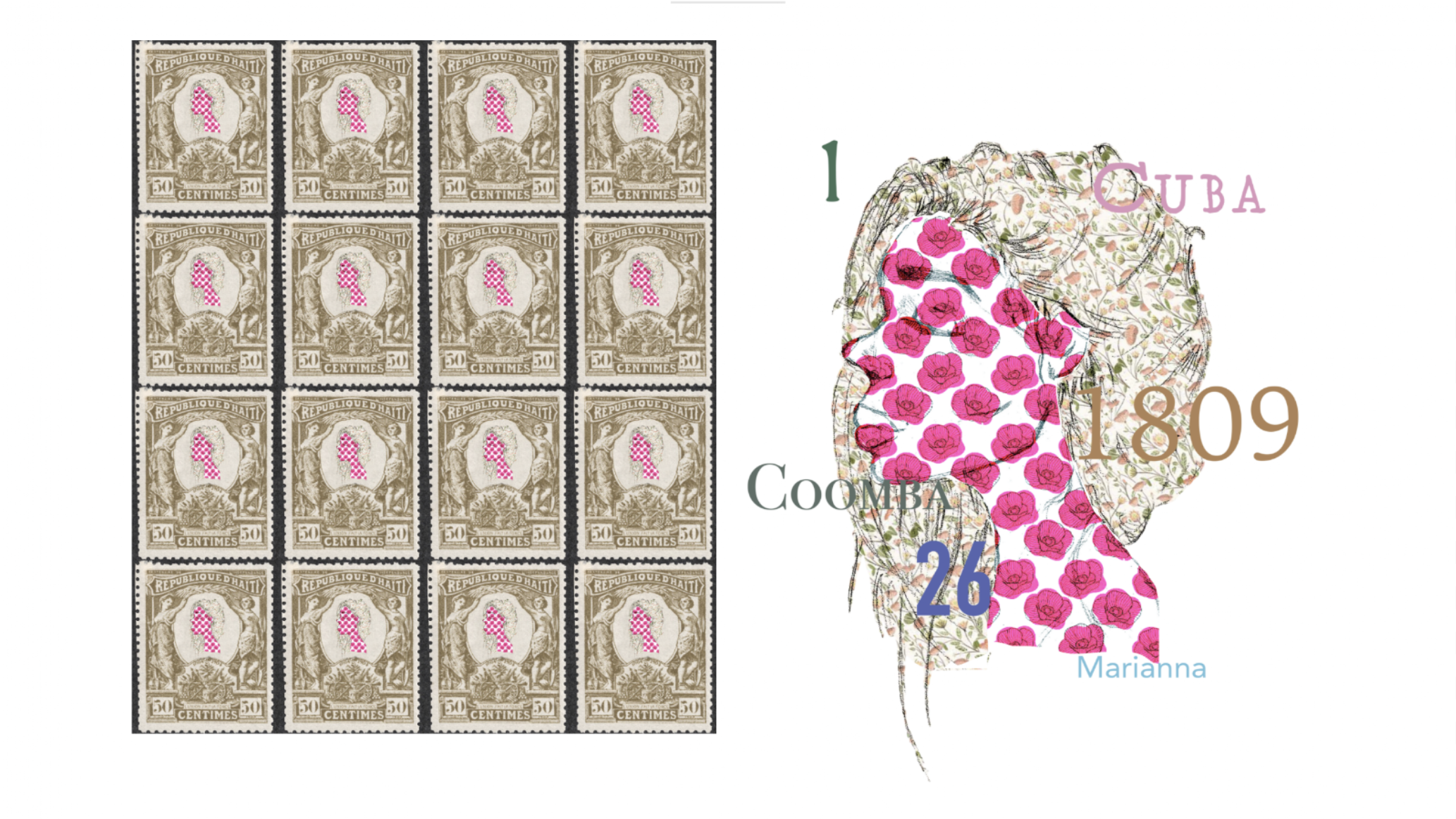
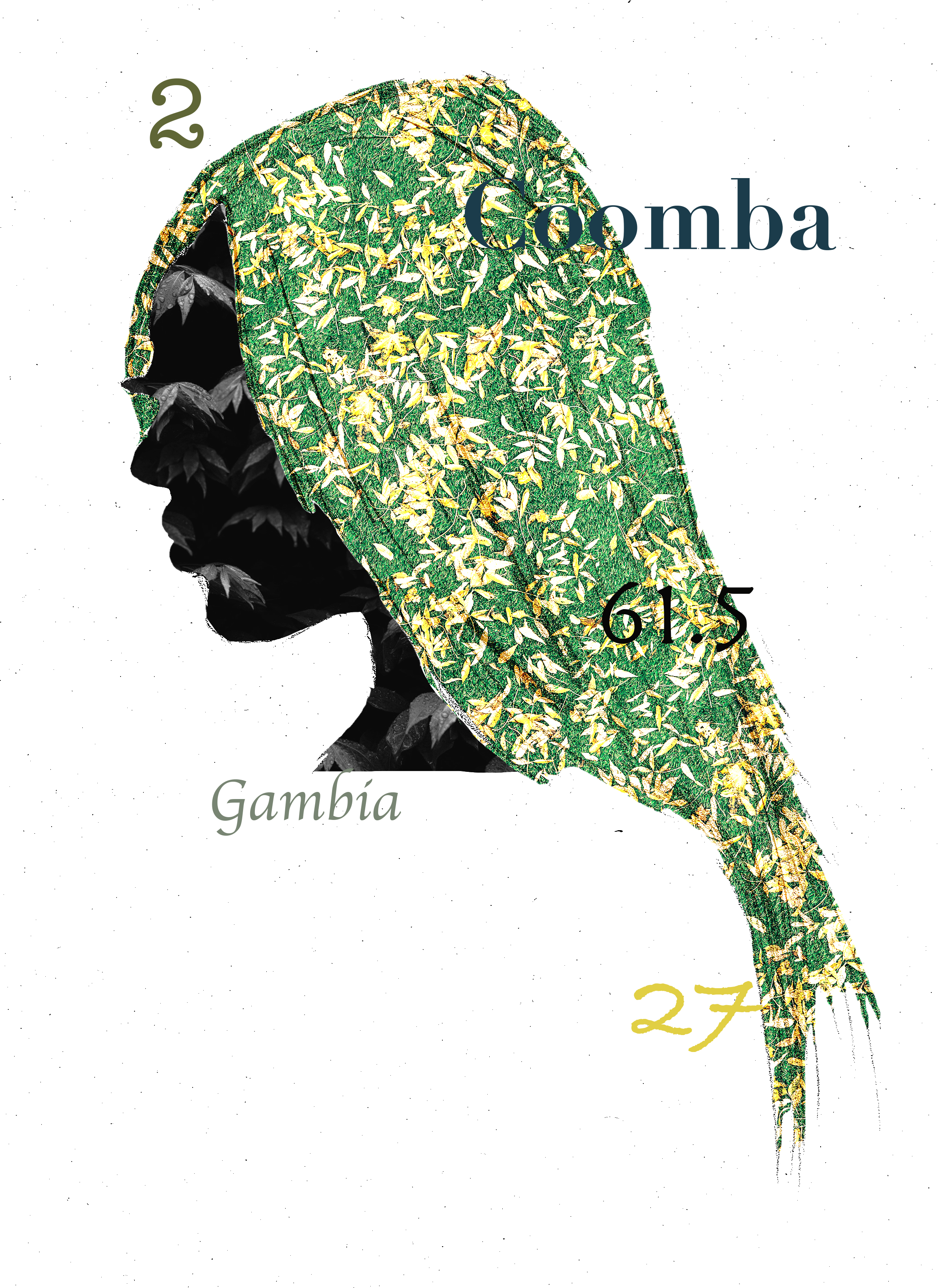
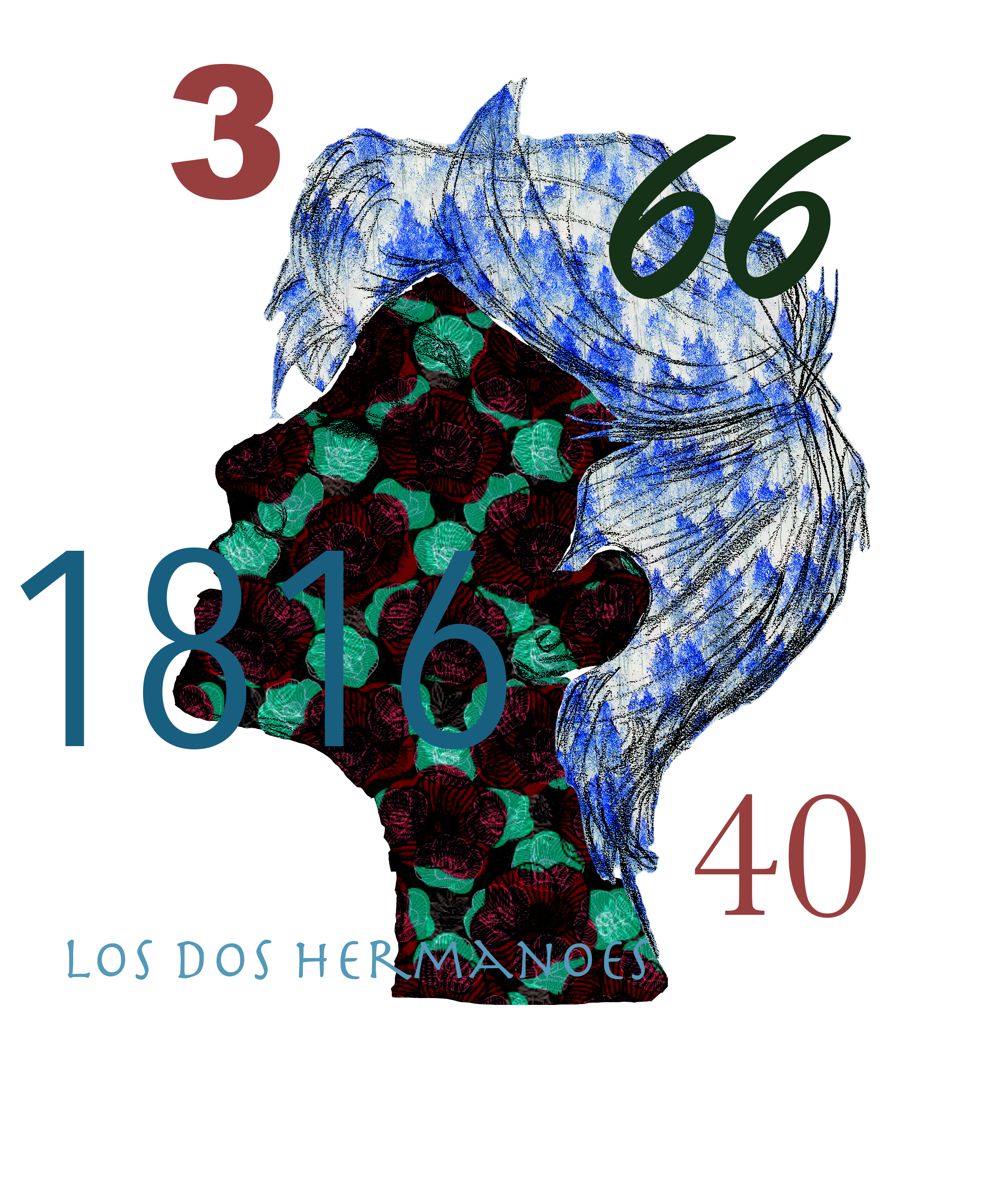
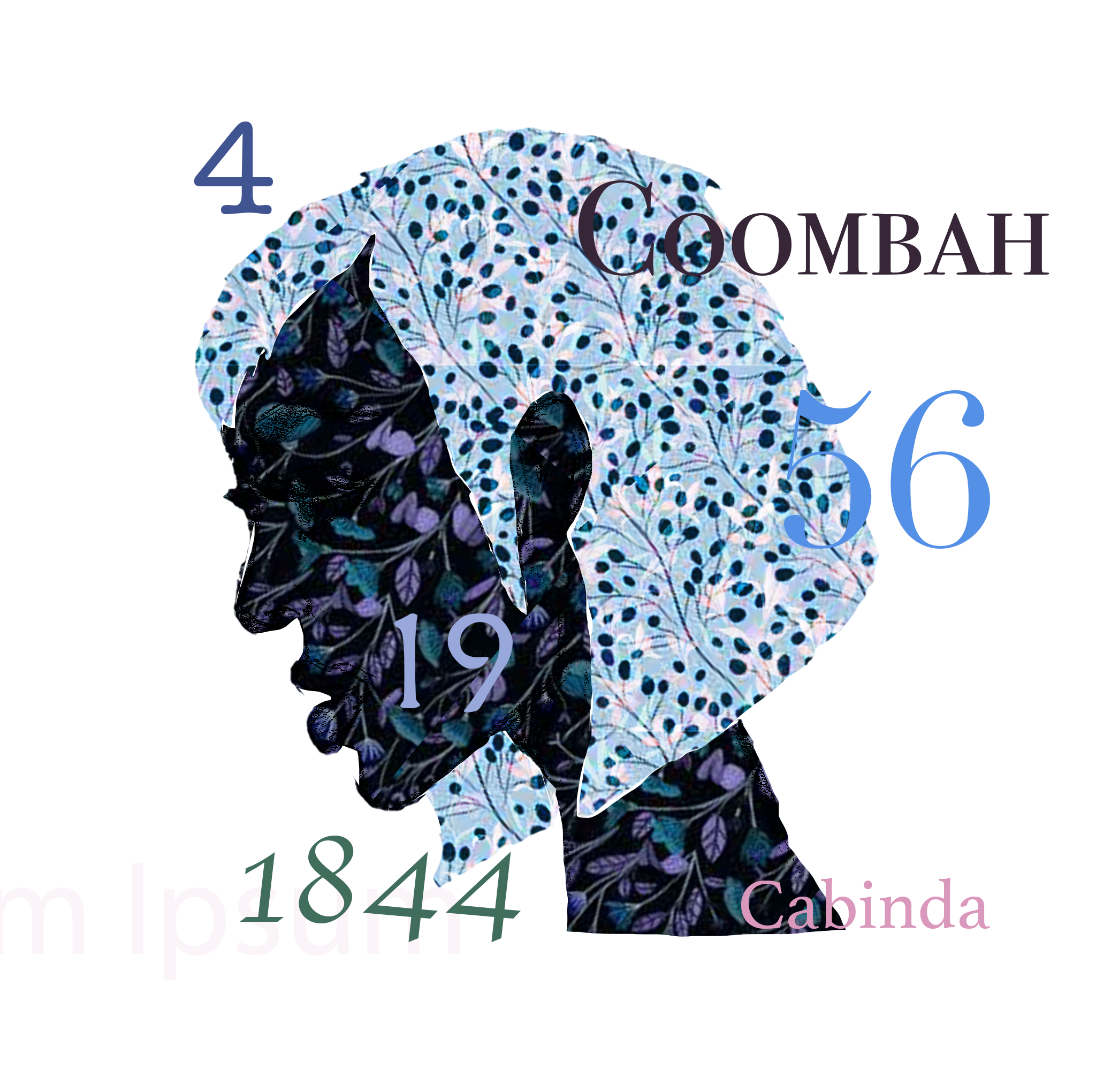
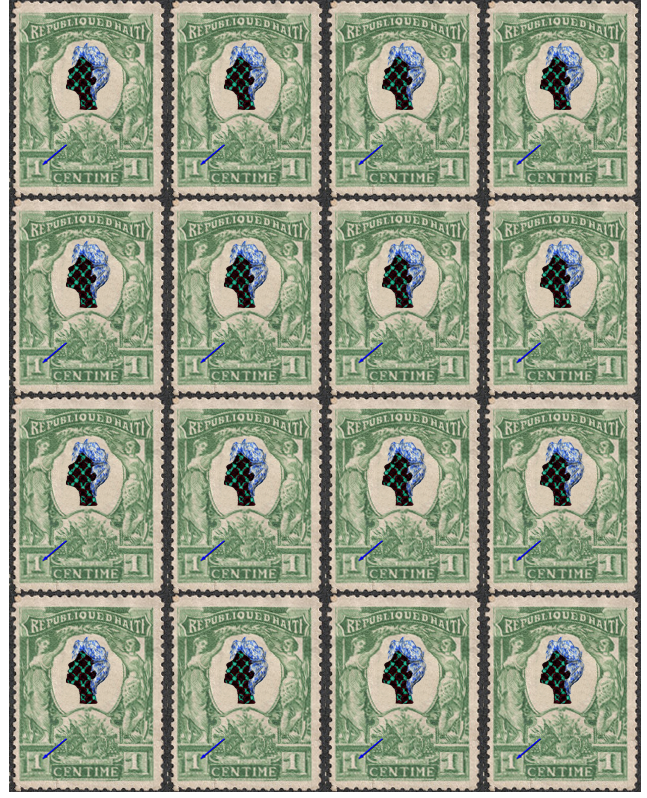
Coomba is the only Black woman named in Sansay’s novel, and in an attempt to give attention to her mode of dress, I have created drawings of her head with adornments – in effect re-contextualizing her head from the grotesque setting of the novel. To do this I explored the history of the name Coomba, using the African Names database, Enslaved: Peoples of the Historical Slave Trade among other archives to trace her possible identities, while attending to the fuzziness and inconclusiveness of the historical record. Each ‘version’ of Coomba is a creative imagining, informed by both her presence and absence in the archive.
The new context of her head is the postage stamp, nodding to the epistolary nature of Sansay’s Secret History and communicating the necessity of “rebellious” Black women to share the history of Haiti. That is, without a stamp, a letter goes nowhere.
@remainsarchive
Glitches. Errors. Malfunctions. This is what digital rebellion looks like.
Black women refusing to be silenced and distorting texts -- raising attention to the ways the colonial archive has methodically distorted their histories.
Recent Project
Working in the Remains // An Archive microlab, I produced short form content to introduce our audience to my Coomba research project.
In doing so I (re)make spaces to consider what remains of Coomba, a Black enslaved woman who lived in Saint Domingue (🇭🇹) during the Haitian Revolution. While her history is reduced to a brief and violent anecdote in a colonial text, as the only Black woman named in Sansay’s Secret History, Coomba’s name remains.
These remains are both analogue and digital. Desiring to contribute to the Caribbean archive, I use digital tools to play with temporal boundaries by visually reconceptualizing the identities of Coomba, with attention to the adornment of her head. Instead of a sign of technological backwardness, I mobilize the glitch as a productive feminist tool of resistance and rebellion. The glitch powers alternative Black archival spaces.